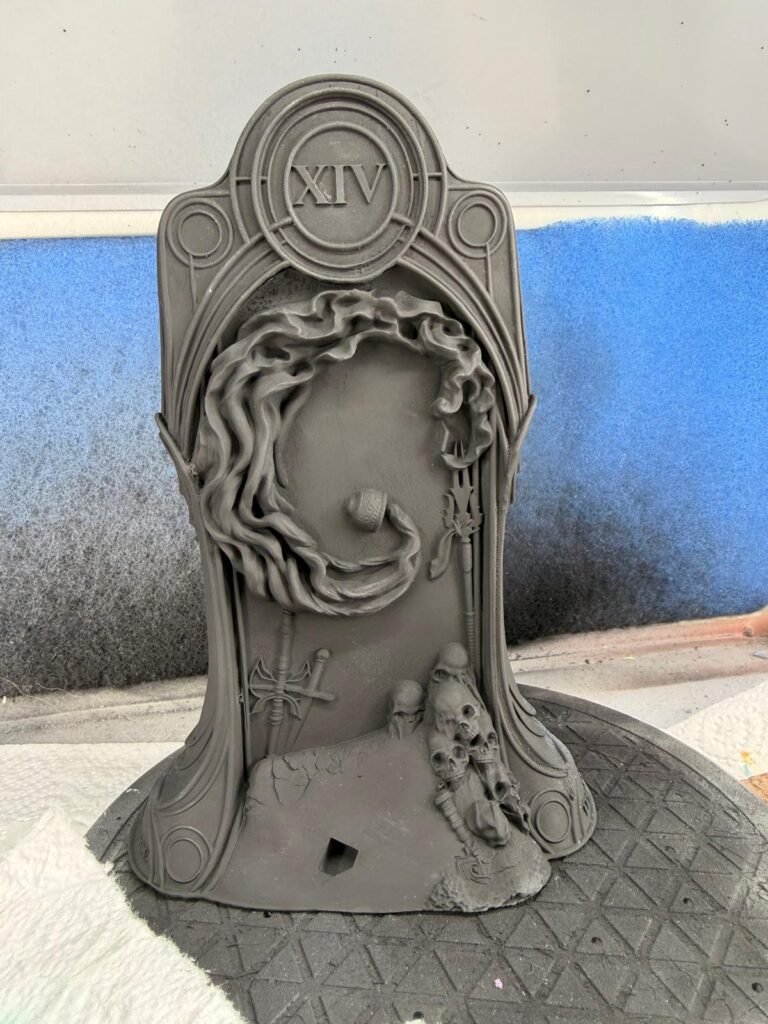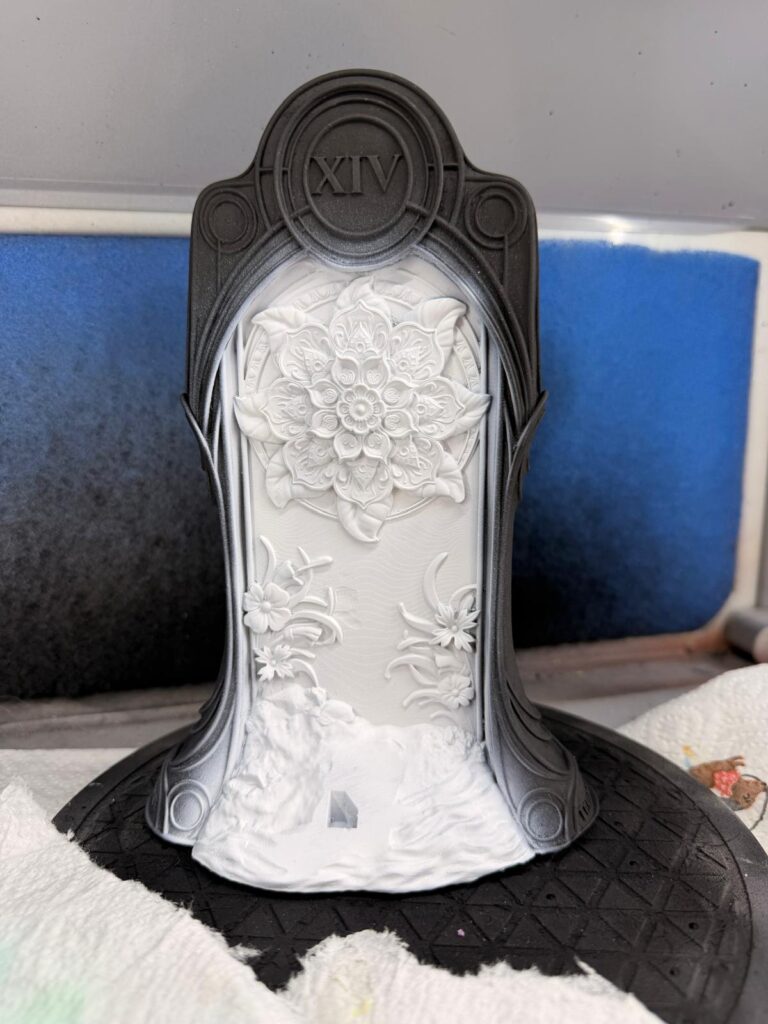
At this point, I realised something very important:
I am completely insane.
I had never painted lava before. I had never really painted fire before. I do not exactly have a deep and meaningful relationship with UV resin either. And, naturally, I also do not have endless time to experiment, fail, try again, fail in a more interesting way, and somehow make it work.
From the very beginning, the idea for Temperance was clear to me. This is not just one figure. It is a figure shown in two different “states,” two sides, two energies, two moods trying to exist together in balance.
So at least one colour had to appear in both figures. Something had to connect them visually.
But which colour?
And that is where the real madness began.
There had to be contrast. But also harmony. Drama, but not chaos. A clear difference between the two sides, but still something that made them belong together. Easy, right?
I searched for colour schemes, contrasts, harmonies, complementary palettes, analogous palettes, dramatic palettes, calm palettes, and probably a few colour combinations that only exist to confuse tired miniature painters at midnight.
Then there are all those wonderful apps where you can play with the colour wheel and pretend that you are making rational artistic decisions, while in reality you are just moving little circles around and whispering, “Maybe this one?”
My newest assistant, however, is actually ChatGPT.
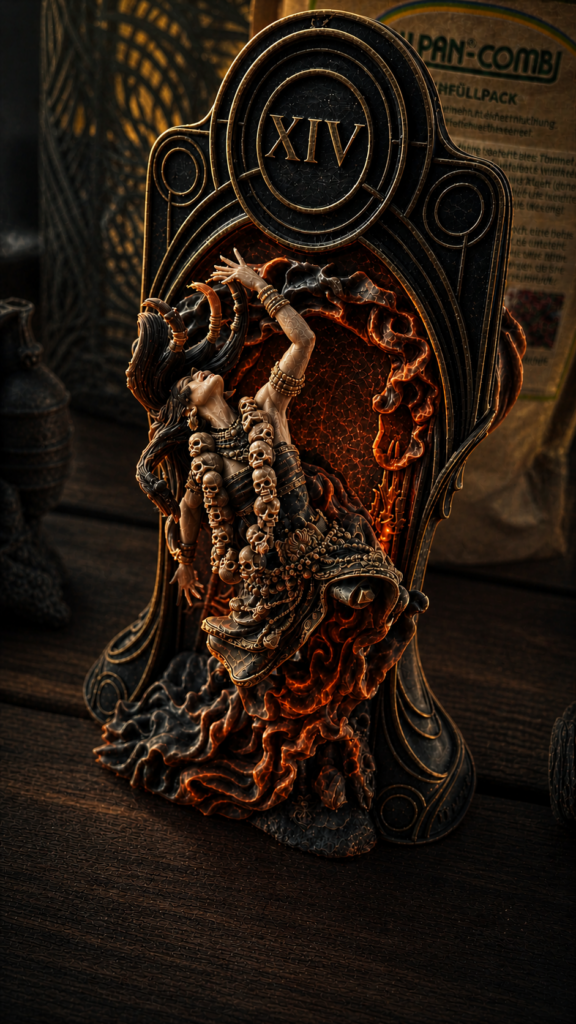
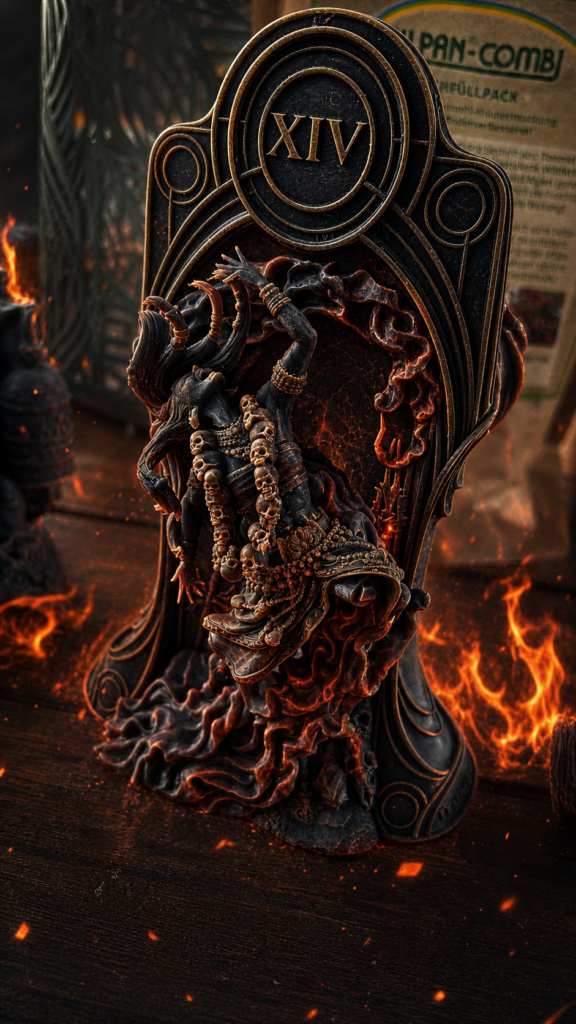
In the past, I spent ages colouring photos on my iPad just to test how certain colours might look on a figure. It was useful, but also time-consuming — and let’s be honest, time is not exactly something I have lying around in generous amounts.
Now, ChatGPT does part of that work for me.
I upload pictures, feed the AI with colour codes, explain what I have in mind, and then wait to see what happens. And honestly, I often have to laugh. The results are always different, always surprising, sometimes strangely beautiful, and sometimes a little too creative in ways I definitely did not ask for.
You get very individual versions of your original photos. Never quite the same. Never perfectly predictable. Sometimes inspiring, sometimes confusing, and always a good reminder that AI is not about to replace creative minds completely just yet.
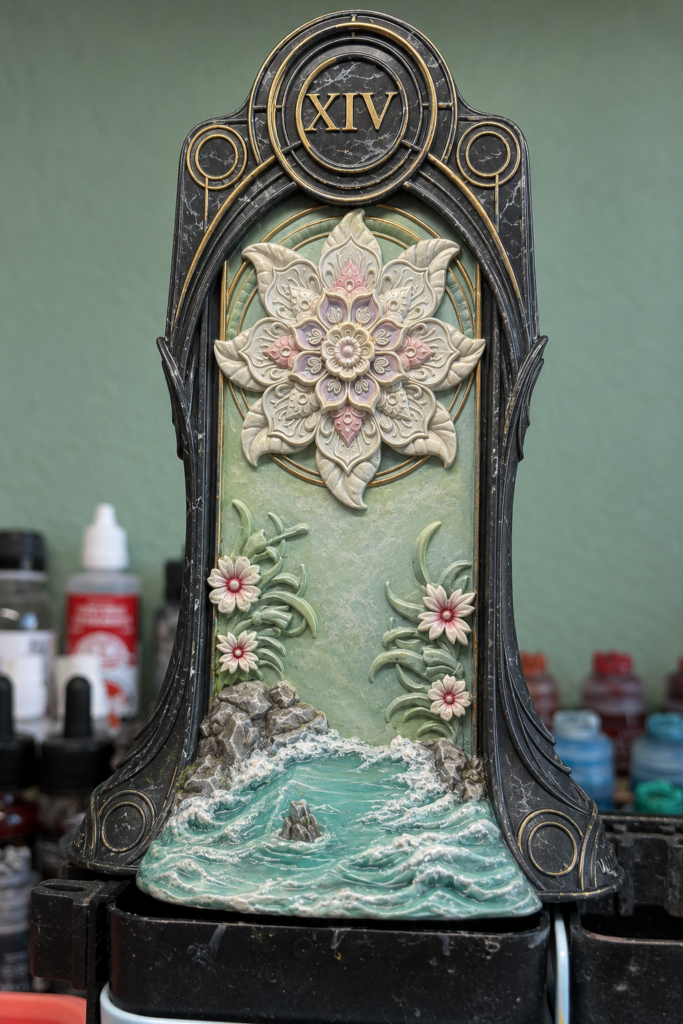

But it does help.
Because at least I get a first impression of how the colours might work together before I start attacking the actual model with paint. I can see whether the contrast is strong enough, whether the shared colour really connects both sides, and whether my brilliant idea looks brilliant — or more like something that should quietly disappear before anyone sees it.
So this part of the project became less about painting and more about decision-making.
And apparently, choosing colours can be just as dramatic as painting lava for the very first time. Who knew?
To make a very long colour crisis slightly shorter: I played around with all kinds of colour combinations for a week, changed my mind several times, questioned every decision, and eventually kept coming back to one colour.
Turquoise.
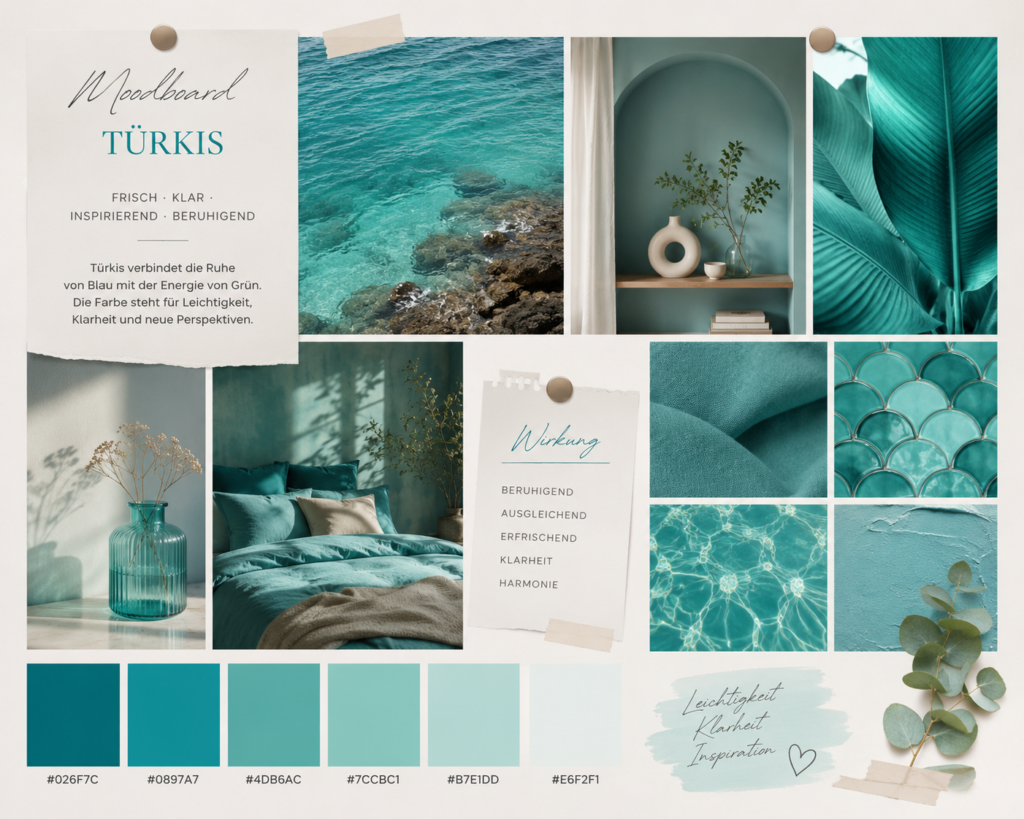
Somehow, turquoise felt like the best choice to connect both sides of the figure.
First, it creates a strong contrast against the red and orange tones of the lava. It gives the fiery side something cool and unexpected to fight against — visually, at least.
Second, it works beautifully with the blue and turquoise tones of the water side. There, it feels natural, calm, and harmonious instead of dramatic.
So turquoise became the bridge between both worlds.
The background on the water side was supposed to move into a greenish direction, as shown above, giving it a cooler, softer atmosphere. The other side, on the other hand, would be surrounded by blazing flames in orange and red.
Calm water on one side. Burning fire on the other.
Harmony and contrast.
Balance and drama.
Or, in other words: exactly the kind of idea that sounds perfectly reasonable in my head and then becomes slightly terrifying once the brush is actually in my hand.
But the decision was made.
The colours were chosen.
And so, the painting finally began.